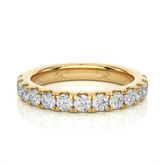
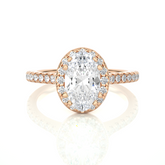
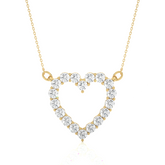
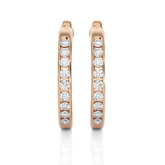
π How to Identify a Real Diamond Engagement Ring
π Real Diamond Engagement Ring β Step-by-Step Making Process

Creating a real diamond engagement ring is a detailed process that combines design creativity, skilled craftsmanship, and precision technology. Cities like Surat (India) are famous worldwide for diamond cutting and jewelry manufacturing. Below is the complete process used by professional jewelers.
1οΈβ£ Concept & Ring Design
The process begins with designing the ring.
Steps
-
Understand customer requirements (budget, diamond size, ring style).
-
Choose a ring type such as solitaire, halo, vintage, or three-stone.
-
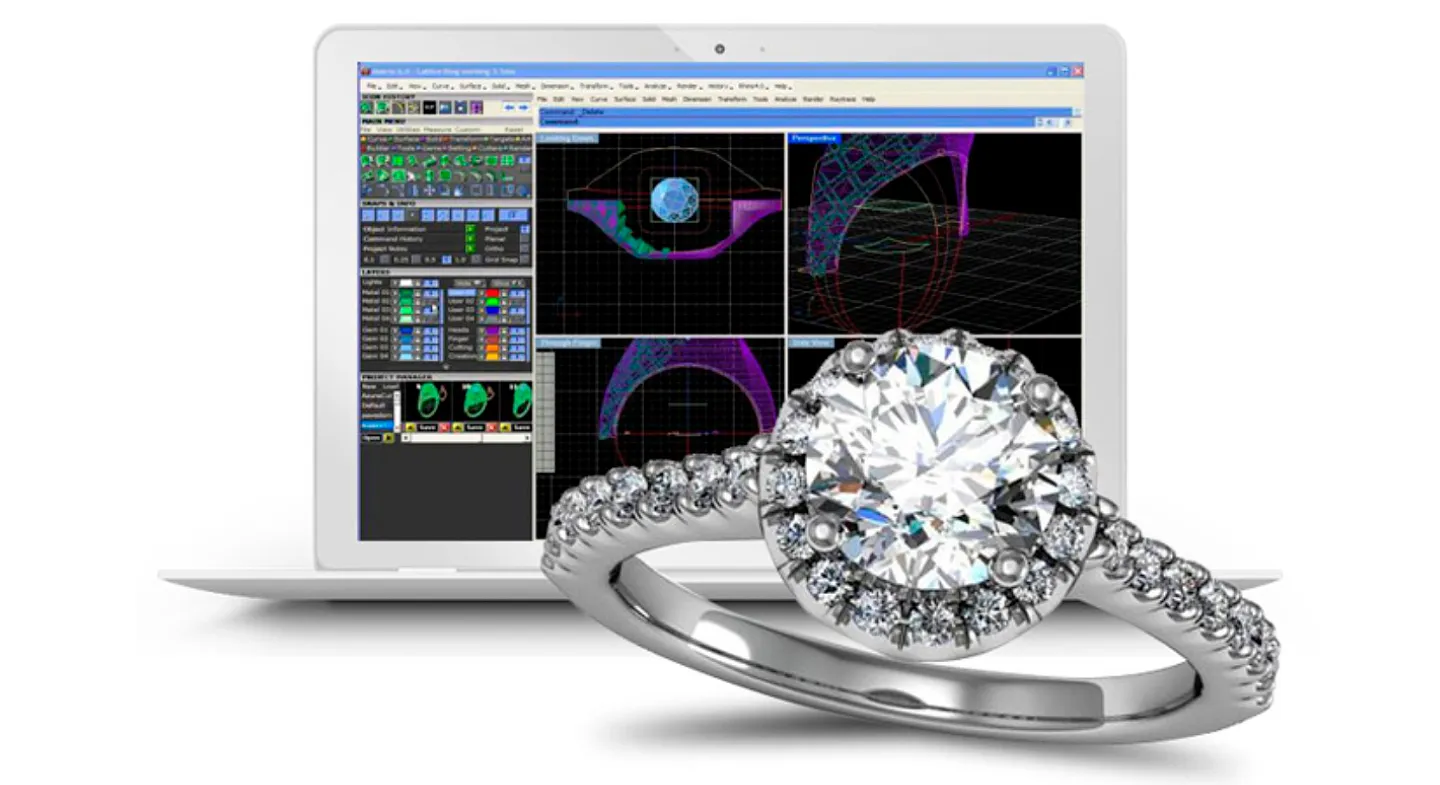
Jewelry designers create a hand sketch or 3D CAD model.
Tools Used
-
Jewelry design software (CAD)
-
Hand sketches
-
3D rendering
This stage helps visualize how the diamond and metal will look together.
2οΈβ£ Diamond Selection (The 4Cs)
Choosing the right diamond is very important.
The value and beauty of a diamond depend on the 4Cs:
-
Cut β How well the diamond sparkles
-
Color β Diamond whiteness grade
-
Clarity β Presence of internal flaws
-
Carat β Diamond weight
Many engagement rings use round brilliant cut diamonds, which reflect the most light.
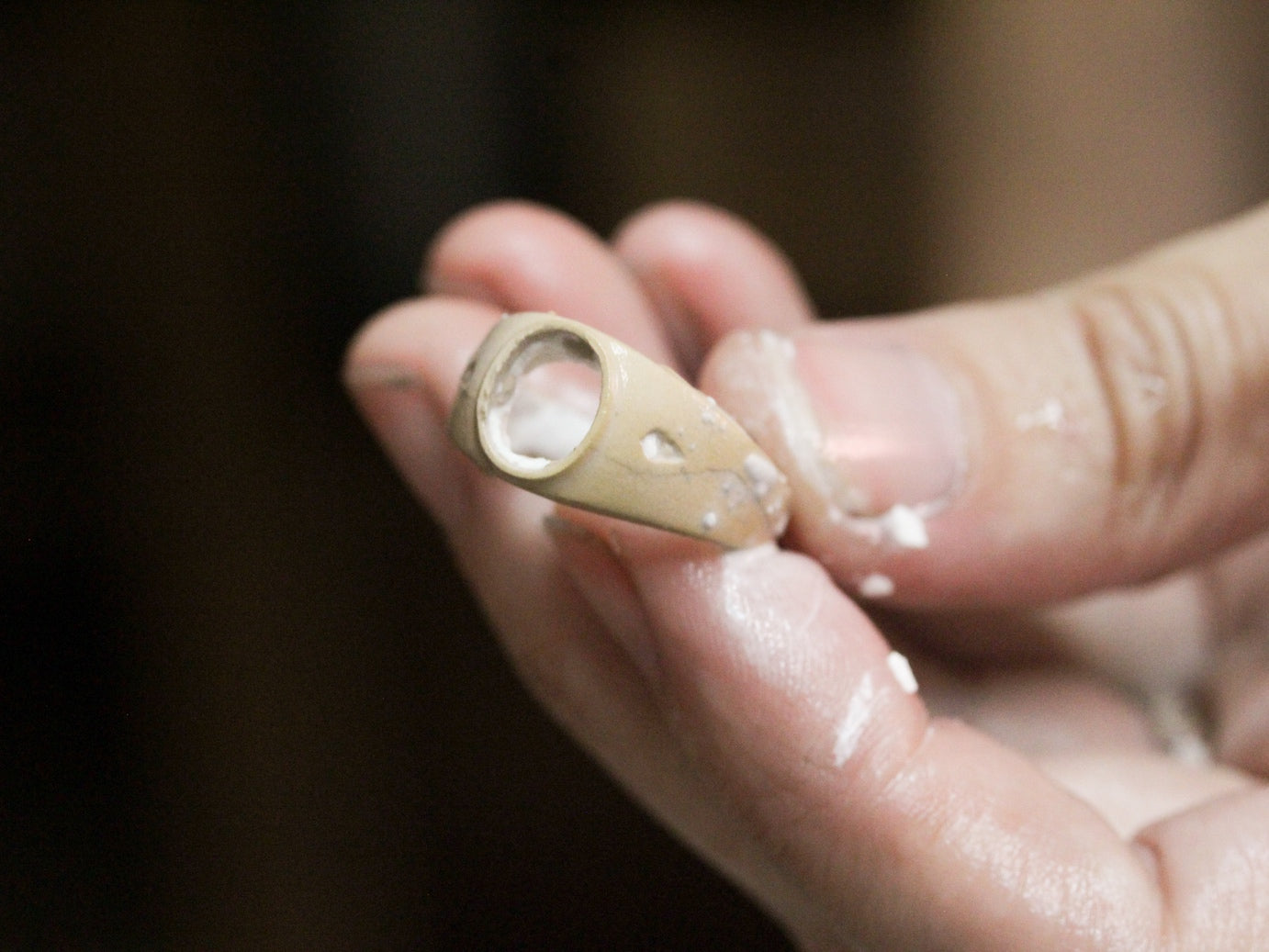
3οΈβ£ Creating the Wax Model
After finalizing the design, a wax model of the ring is created.
Process
-
A 3D printer or hand carving creates a wax version of the ring.
-
The wax model shows the exact shape and size.
This model will later be used to create the metal mold for casting.
4οΈβ£ Metal Casting (Gold or Platinum)
The wax model is used in a process called lost wax casting.
Steps
-
The wax ring is placed inside a mold.
-
Molten metal (gold, white gold, rose gold, or platinum) is poured in.
-
The wax melts away and the metal takes its place.
After cooling, the raw metal ring structure is removed.
5οΈβ£ Cleaning & Polishing
The cast ring is then refined.
Jewelry artisans:
-
Remove extra metal
-
Smooth rough edges
-
Shape the ring perfectly
-
Polish the metal to create a mirror finish
This step gives the ring its luxurious shine.
6οΈβ£ Diamond Setting
Now the diamond is carefully placed into the ring.
Common setting styles include:
-
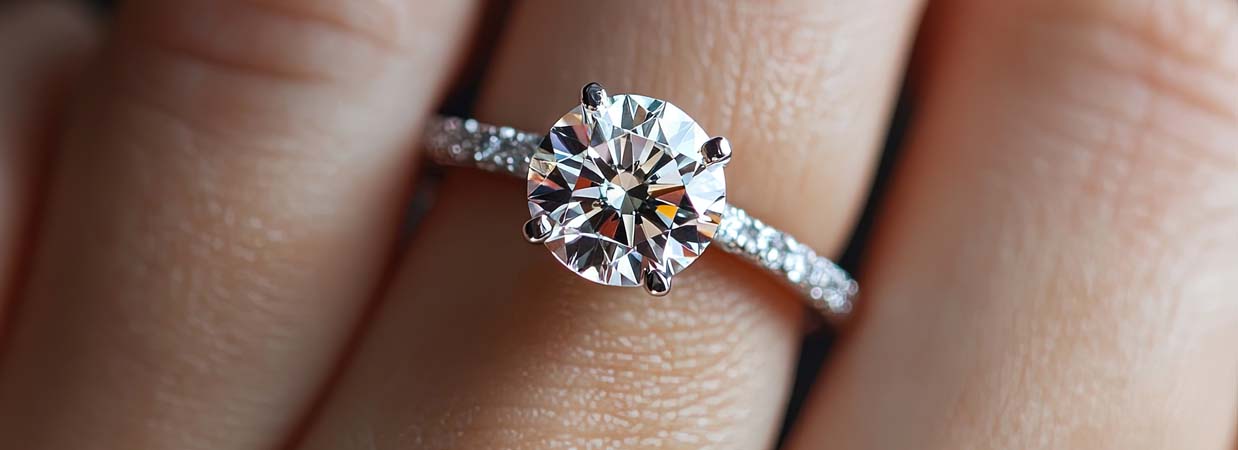
Prong setting β Diamond held by small metal claws
-
Halo setting β Small diamonds around the center stone
-
Bezel setting β Metal rim surrounds the diamond
-
PavΓ© setting β Small diamonds embedded in the band
A professional setter ensures the diamond is secure and perfectly aligned.
7οΈβ£ Final Polishing & Quality Check
The last step is finishing.
Jewelry experts check:
-
Diamond alignment
-
Metal polish quality
-
Ring size accuracy
-
Stone security
The ring is then ultra-polished and cleaned to maximize brilliance.
β¨ Final Result
After all steps, the finished diamond engagement ring is ready for presentation in a luxury jewelry box.
A high-quality ring combines:
-
Precision diamond cutting
-
Expert jewelry craftsmanship
-
Premium metals like gold or platinum
This is why engagement rings symbolize love, commitment, and timeless beauty.
π How to Identify a Real Diamond Engagement Ring

Buying a diamond engagement ring is a big investment, so itβs important to know whether the diamond is real or fake. Professional jewelers use advanced tools, but there are also simple tests you can do at home to identify a genuine diamond.
1οΈβ£ Check the Diamond Certification
A real diamond usually comes with a grading certificate from a trusted gemological laboratory.
Common diamond certification organizations include:
-
Gemological Institute of America (GIA)
-
International Gemological Institute (IGI)
-
American Gem Society (AGS)
The certificate verifies the diamondβs cut, color, clarity, and carat weight.
π‘ Most certified diamonds also have a laser inscription number on the girdle.
2οΈβ£ The Sparkle Test β¨
Diamonds reflect light differently than fake stones.
Real diamond sparkle:
-
Strong white light reflections
-
Small flashes of rainbow colors
-
Sharp brilliance
Fake stones like cubic zirconia usually produce too much rainbow light and less white sparkle.
3οΈβ£ Fog Test (Quick Home Test)
This is a very simple method.
Steps
-
Hold the diamond close to your mouth.
-
Breathe on it like fogging a mirror.
Result
-
Real diamond β fog disappears instantly
-
Fake stone β fog stays for several seconds
Diamonds disperse heat quickly, so the fog clears fast.
4οΈβ£ Water Test
Diamonds are very dense.
Steps
-
Fill a glass with water.
-
Drop the loose diamond inside.
Result
-
Real diamond β sinks to the bottom
-
Fake stone β may float or sink slowly
This test works best with loose diamonds, not mounted rings.
5οΈβ£ Check the Setting & Metal
A real diamond is usually set in high-quality metal.
Look inside the ring band for stamps like:
-
10K / 14K / 18K β Gold purity
-
PT / Platinum β Platinum metal
Cheap metals often indicate the stone may not be real.
6οΈβ£ Look at the Diamond Under Magnification
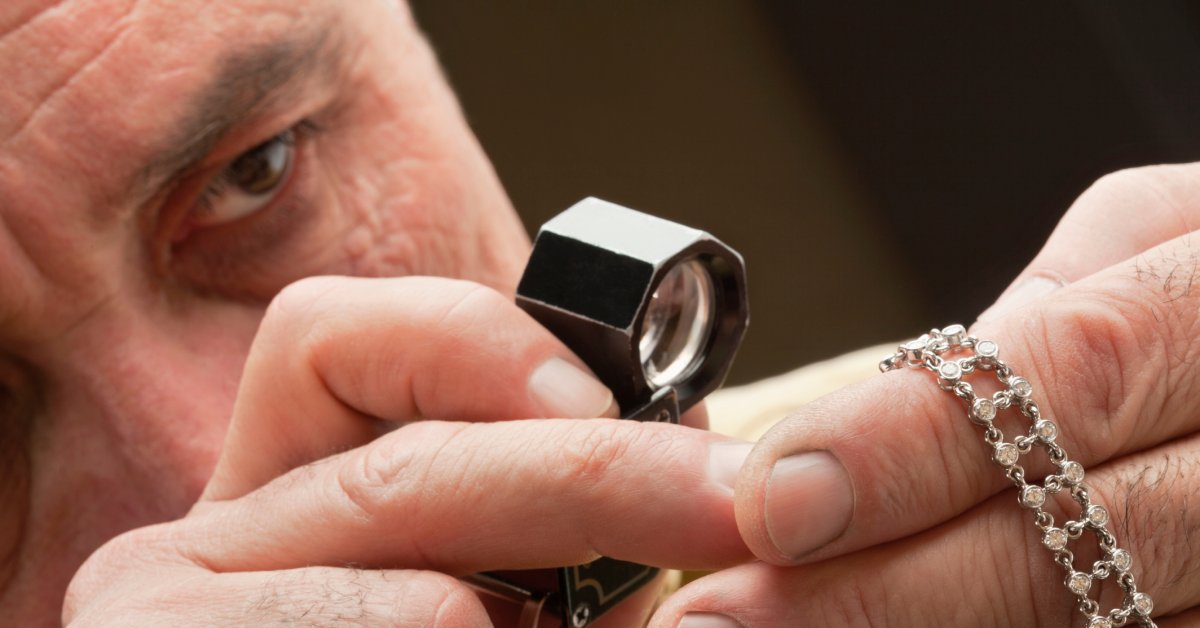
Jewelers use a 10Γ loupe to inspect diamonds.
A real diamond usually shows:
-
Tiny natural inclusions
-
Small internal patterns
-
Slight imperfections
Fake stones often look too perfect and flawless.
7οΈβ£ UV Light Test
Under ultraviolet light:
-
Many real diamonds glow blue
-
Some may not glow at all
-
Fake stones often glow different colors
This is not a perfect test but can help identify authenticity.
8οΈβ£ Professional Diamond Tester
Jewelers use electronic diamond testers that measure heat or electrical conductivity.
These tools quickly distinguish between:
-
Real diamond
-
Cubic zirconia
-
Moissanite
β οΈ Common Fake Diamonds
Some stones look very similar to diamonds.
Popular diamond alternatives include:
-
Cubic Zirconia (CZ) β cheapest imitation
-
Moissanite β very close visually
-
White sapphire
-
Crystal or glass