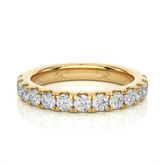
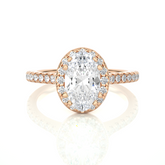
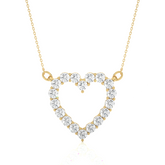
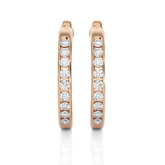
Moissanite, lab-grown diamonds, and natural diamonds differ in origin, appearance, and value. Moissanite is a silicon carbide gemstone known for its intense brilliance and fire. Lab-grown diamonds are created in controlled environments and share the same chemical and physical properties as natural diamonds, offering a more sustainable and affordable option. Natural diamonds form over millions of years beneath the Earth’s surface and are prized for their rarity and traditional significance. Understanding these distinctions helps in choosing the option that best aligns with personal preferences and priorities.
Moissanite is a gemstone made of silicon carbide, first identified in 1893 by scientist Henri Moissan in a meteor crater. Although it was initially mistaken for diamond, moissanite is now appreciated for its distinctive properties. It is known for its remarkable brilliance and fire, often appearing more vibrant than diamonds. With strong durability and a hardness close to diamond on the Mohs scale, moissanite is well suited for everyday jewelry.
Lab-created diamonds, often referred to as man-made diamonds, are virtually identical to natural diamonds in appearance while being more affordable. Produced using advanced techniques such as High Pressure High Temperature (HPHT) or Chemical Vapor Deposition (CVD), they possess the same physical, chemical, and optical properties as mined diamonds, making them visually indistinguishable. Their conflict-free and ethically responsible origin makes them an attractive option for environmentally conscious buyers. By offering the same brilliance and luxury as natural diamonds at a lower cost, lab-created diamonds provide a responsible and accessible choice for those who value beauty without the environmental or ethical concerns associated with traditional diamond mining.
Diamonds are remarkable natural gemstones formed deep within the Earth’s mantle, created when carbon is exposed to intense heat and pressure over millions of years. Their natural beauty and rarity have made them highly treasured for centuries. However, traditional diamond mining often comes with significant environmental and social impacts. Mining activities can disrupt ecosystems and alter natural landscapes. In some regions, illegally traded diamonds—commonly referred to as conflict diamonds—have been linked to violence, exploitation, and human rights abuses by funding armed conflicts. As a result, responsible sourcing and ethical practices have become increasingly important, promoting a more sustainable, transparent, and humane diamond industry.
FAQ's
A lab-grown diamond is a sustainable, ethically produced diamond created in controlled laboratory settings. These diamonds are chemically, physically, and optically identical to natural diamonds mined from the earth, offering an eco-friendly and conflict-free alternative without compromising on quality or brilliance. They represent a revolutionary advancement in diamond technology.
Moissanite is a gemstone composed of silicon carbide, known for its high durability and brilliant sparkle that rivals diamonds. Initially discovered in a meteor crater, it's now synthetically produced for jewelry. Moissanite's exceptional hardness and heat resistance, combined with its ethical production and affordability, make it a popular diamond alternative.
Yes, Alaknanda’s lab-grown diamonds are certified by IGI or GIA, ensuring their quality, authenticity, and grading accuracy. In addition, our moissanite gemstones are accompanied by an Alaknanda certificate of authenticity, confirming their premium quality and craftsmanship. These certifications provide confidence in ethical sourcing, precise standards, and exceptional quality with every gemstone purchased.
Lab-grown diamonds and moissanite differ in their physical properties. Lab-grown diamonds offer higher luster and brilliance compared to moissanite. Over time, moissanite may develop a cloudy appearance due to surface buildup, while lab-grown diamonds retain their clarity and brilliance, reflecting the lasting beauty and durability associated with natural diamonds.