Recent Post

Exclusive jewelry sale featuring elegant designs at irresistible prices

Elegant hands showcasing delicate jewelry with timeless minimalist beauty

Elegant Green Diamond Drop Earrings Luxury Pink Diamond Collection

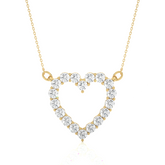
Elegant Heart Shaped Green Diamond Wedding Necklace Jewelry Collection

Elegant Green Diamond Ring New Launch Luxury Jewelry Collection

Elegant Blue Crystal Drop Earrings Luxury Jewelry Sale Collection
Leave a comment

A Guide to Selecting Perfect Diamond Jewelry
Choosing the right diamond jewelry can feel overwhelming, especially with the myriad of options available. Whether you are shopping for an engagement ring, a special gift, or a personal treat, understanding the key factors in selecting diamond jewelry is essential. This guide will walk you through the important aspects to consider, ensuring that you make an informed decision that reflects your style and budget.
Understanding the 4 Cs of Diamonds
When it comes to diamonds, the 4 Cs—Cut, Color, Clarity, and Carat weight—are crucial in determining the quality and value of the stone.
Cut
The cut of a diamond refers to how well it has been shaped and faceted. A well-cut diamond reflects light beautifully, creating a sparkle that captures attention. The cut is graded from Excellent to Poor, and it significantly impacts the overall appearance of the diamond.
-
Excellent Cut: Maximizes brilliance and sparkle.
-
Good Cut: Offers a balance of beauty and value.
-
Fair/Poor Cut: May appear dull and lifeless.
Color
Diamonds come in a range of colors, from colorless to shades of yellow or brown. The Gemological Institute of America (GIA) grades diamond color on a scale from D (colorless) to Z (light yellow).
-
D-F: Colorless, the most sought after.
-
G-H: Near colorless, offering great value.
-
I-Z: Increasingly noticeable color, typically less expensive.
Clarity
Clarity measures the presence of internal or external flaws, known as inclusions and blemishes. The GIA clarity scale ranges from Flawless (no inclusions visible under 10x magnification) to Included (inclusions visible to the naked eye).
-
Flawless: Perfect, no inclusions.
-
VS1-VS2: Very slight inclusions, difficult to see.
-
SI1-SI2: Slight inclusions, visible under magnification.
Carat Weight
Carat weight measures the size of the diamond. One carat equals 200 milligrams. Larger diamonds are rarer and more expensive. However, two diamonds of the same carat weight can have vastly different values based on their cut, color, and clarity.
-
1 Carat: A popular choice for engagement rings.
-
0.5 Carat: A budget-friendly option with a significant appearance.
-
2 Carats and above: Considered large and often more expensive.
Setting Styles
The setting of a diamond is just as important as the stone itself. The right setting enhances the diamond's beauty and complements your personal style. Here are some popular setting styles:
Solitaire
The solitaire setting features a single diamond, allowing it to take center stage. This classic style is timeless and elegant, perfect for engagement rings.
Halo
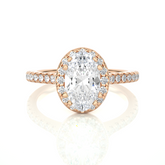
A halo setting surrounds the center diamond with smaller diamonds, creating a stunning visual effect. This style enhances the perceived size of the center stone and adds extra sparkle.
Three-Stone
The three-stone setting features a center diamond flanked by two smaller diamonds. This design symbolizes the past, present, and future, making it a meaningful choice for engagement rings.
Pavé
In a pavé setting, small diamonds are set closely together, creating a continuous sparkle. This style is often used on the band to enhance the overall brilliance of the ring.
Choosing the Right Metal
The metal of the jewelry setting can significantly affect the overall look and durability of the piece. Here are some common metal options:
White Gold
White gold is a popular choice for its modern and sleek appearance. It is alloyed with metals like palladium or nickel, giving it a shiny finish.
Yellow Gold
Yellow gold offers a classic and warm look. It is a traditional choice for engagement rings and wedding bands, symbolizing love and commitment.
Rose Gold
Rose gold has gained popularity for its romantic and vintage appeal. The pink hue comes from the alloying of gold with copper, creating a unique and stylish option.
Platinum
Platinum is the most durable and hypoallergenic metal, making it an excellent choice for those with sensitive skin. Its natural white sheen complements diamonds beautifully.
Budgeting for Your Purchase
Setting a budget is crucial when selecting diamond jewelry. Here are some tips to help you stay within your financial limits:
-
Determine Your Priorities: Decide which of the 4 Cs is most important to you. For example, if you prioritize cut over carat weight, you may find a stunning diamond within your budget.
-
Consider Alternatives: If a natural diamond is out of your price range, consider lab-created diamonds or other gemstones like moissanite, which can offer similar beauty at a lower cost.
-
Shop Around: Compare prices from different jewelers. Online retailers often have lower prices than brick-and-mortar stores.
Caring for Your Diamond Jewelry
To keep your diamond jewelry looking its best, proper care is essential. Here are some tips for maintaining your pieces:
-
Regular Cleaning: Clean your diamond jewelry regularly with a mild soap solution and a soft brush. Avoid harsh chemicals that can damage the metal or stone.
-
Safe Storage: Store your diamond jewelry separately to prevent scratching. Use a soft pouch or a jewelry box with compartments.
-
Professional Inspections: Have your jewelry inspected by a professional jeweler every six months to ensure the settings are secure and the stones are in good condition