Recent Post

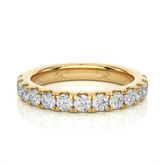
Exclusive jewelry sale featuring elegant designs at irresistible prices

Elegant hands showcasing delicate jewelry with timeless minimalist beauty

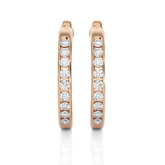
Elegant Green Diamond Drop Earrings Luxury Pink Diamond Collection

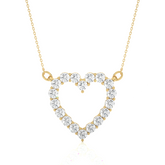
Elegant Heart Shaped Green Diamond Wedding Necklace Jewelry Collection

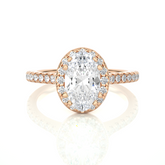
Elegant Green Diamond Ring New Launch Luxury Jewelry Collection

Elegant Blue Crystal Drop Earrings Luxury Jewelry Sale Collection
Leave a comment

Diamond Buying Guide: 4Cs Explained
1. Cut (Most Important for Sparkle ✨)
Cut refers to how well a diamond is shaped and how its facets interact with light.
Key Points:
- It is not the shape (round, oval, etc.), but the quality of craftsmanship
- Determines brilliance (white light), fire (rainbow colors), and scintillation (sparkle)
Grades:
- Excellent
- Very Good
- Good
- Fair
- Poor
Why it matters:
Even a diamond with perfect color and clarity will look dull if the cut is poor. A well-cut diamond reflects light internally and shines brightly.
2. Color (How White the Diamond Is)
Color measures the absence of color in a diamond.
Scale:
- D–F: Colorless (highest quality)
- G–J: Near colorless (great value)
- K–M: Slight yellow tint
- N–Z: Noticeable color
Why it matters:
- The less color, the rarer and more expensive the diamond
- Most buyers prefer G–H range for a balance of beauty and price
3. Clarity (Purity of the Diamond)
Clarity refers to internal inclusions and external blemishes formed during natural creation.
Clarity Grades:
- FL (Flawless) – no imperfections under 10x magnification
- IF (Internally Flawless)
- VVS1–VVS2 (Very Very Slight)
- VS1–VS2 (Very Slight)
- SI1–SI2 (Slightly Included)
- I1–I3 (Included)
Why it matters:
- Most inclusions are invisible to the naked eye
- VS or SI grades often look clean but cost less than flawless stones
4. Carat (Weight of the Diamond)
Carat measures the diamond’s weight—not size, though size increases with carat.
Key Facts:
- 1 carat = 200 milligrams
- Larger diamonds are rarer, so price increases sharply with size
Important Tip:
Two diamonds can have the same carat weight but look different in size depending on the cut.